
A dental cleaning is a routine part of keeping your mouth healthy, but it’s not always clear how much time you should set aside for it. While many appointments take about an hour, the exact timing can vary depending on your oral health, how much plaque or tartar has built up, and whether any extra steps, like X-rays, are needed.
Understanding what happens during a cleaning can help you plan your visit with confidence.
Average Time for a Dental Cleaning
On average, dental cleanings take about 60-70 minutes for most patients. However, the duration can change based on your needs:
- Routine cleanings: For patients who visit regularly and maintain good home care, cleanings can be completed closer to the 45-60 minute range.
- Deep cleanings (scaling and root planing): For those with gum disease, treatment may take 60 to 90 minutes or more and may require multiple appointments.
What Happens During a Dental Cleaning?
A dental cleaning is much more than a quick polish—it’s a multi-step process designed to keep your teeth, gums, and mouth healthy. Each stage is carried out with precision to help with both cleanliness and comfort.
1. Initial Examination (5-10 Minutes)
Your dental hygienist will start with a visual inspection of your teeth and gums, using a small mirror to look for signs of swelling, redness, cavities, tartar buildup, or other issues. This step acts as a roadmap for the rest of the cleaning. If something unusual is spotted, like early signs of gum disease, the dentist may be called in for a closer look before treatment begins.
2. Scaling & Tartar Removal (~30-60 Minutes)
Scaling is often the longest part of the appointment. Your hygienist uses tools like manual scalers to scrape away hardened tartar along the gumline and between teeth, as well as an ultrasonic scaler that uses gentle vibrations and water spray to break up larger deposits.
- Light buildup means this stage can take about 30 minutes.
- Heavier buildup, especially if it’s been a while since your last cleaning, can require the full 45-60 minutes.
Scaling is essential because tartar can’t be removed by brushing or flossing at home.
3. Polishing (5-10 Minutes)
Once the tartar is gone, polishing smooths the tooth surface to help prevent plaque from sticking. A special paste with mild abrasives is applied using a rotating rubber cup or brush. While polishing gives teeth a fresh, smooth feel, its primary benefit is that it makes it more difficult for new plaque to accumulate.
4. Flossing (5-7 Minutes)
Your hygienist will floss between each tooth to remove any remaining debris. This professional flossing can also reveal areas where your gums may bleed, indicating potential inflammation or early gum disease. Even diligent flossers often find this step helpful for catching hard-to-reach spots.
5. Fluoride Treatment (1-2 Minutes)
If recommended, fluoride gel, foam, or varnish is applied to the teeth to strengthen enamel. This step is quick but offers several months of added protection against decay, especially valuable for children, patients with a history of cavities, or those with sensitive teeth.
6. Final Exam & Recommendations (5-10 Minutes)
The dentist will perform a final check, looking over the hygienist’s work and discussing any findings. You’ll receive guidance on brushing, flossing, and any areas that need extra attention at home. This is your opportunity to ask questions or raise concerns about your oral health.
7. Optional Extras (5-15 Minutes)
Some cleanings also include X-rays. These quick additions can extend the visit but provide valuable insights into your dental health.
What Can Affect the Timing?
Several factors can influence how long your dental cleaning will take:
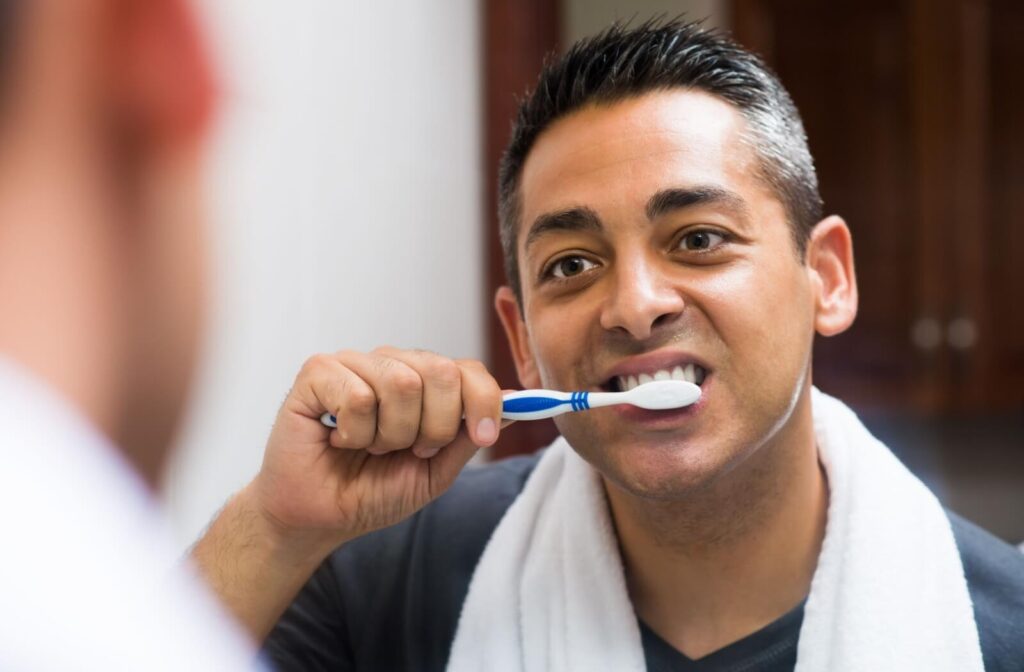
- Oral hygiene habits: Consistent brushing and flossing at home usually mean less tartar, making the cleaning quicker.
- Frequency of cleanings: The more time between visits, the more buildup your hygienist will need to remove.
- Gum disease: If gingivitis or periodontitis is present, deep cleaning may be required, adding significant time.
- Special dental needs: Braces, dental implants, or tooth sensitivity can slow the process as extra care is taken.
- First-time visits: New patients often need additional time for records, medical history review, and X-rays.
- Patient comfort: Some people prefer slower, more frequent breaks during cleaning, which can lengthen the appointment.
Why Regular Dental Cleanings Matter
Regular dental cleanings are about more than a bright smile—they help prevent cavities, gum disease, and even tooth loss. Removing plaque and tartar reduces bacteria that can harm both your mouth and your overall health.
Early detection of dental issues during these visits can save you time, discomfort, and expense later on. Research also links good oral hygiene to reduced risks of systemic health problems, including heart disease and diabetes, making dental cleanings an important part of overall wellness.
Invest in Your Smile
A dental cleaning may only take about 1 hour, but the benefits last far longer. By booking regular visits every six months, you’re investing in your oral and overall well-being.
At Willow Park Dental, we combine comfort and technology to make every visit a positive experience. Contact us to arrange your next dental cleaning and take a confident step toward a healthier, brighter smile.